Destination Spotlight: Egypt 2026

Where Culture, History, and Meaning Meet
Egypt is poised for a remarkable year. New museum openings, rising visitor numbers, and expanded cultural offerings are drawing global attention to a country long recognized for its historical significance. As someone who has walked these sites and felt the weight of history in real time, I can say that Egypt has a way of shifting your understanding of the world.
For many Black women, travel to Egypt offers more than sightseeing—it creates an opportunity to see African heritage reflected in the art, architecture, and traditions that define Cairo, Luxor, Aswan, and the Nile Valley. From the moment you stand at the base of the pyramids to the quiet reflections along the Nile, Egypt invites a deeper, fuller understanding of our shared past.

Cairo: A City Rooted in Majesty and Momentum
Cairo is a city that doesn’t ease you into its story—it drops you right into the heart of it. The first time I saw the Pyramids of Giza, they felt almost unreal, like a picture I had seen all my life but finally understood by standing in front of them. The Great Sphinx holds that same power—stoic, familiar, and undeniably African.
The newly opened Egyptian Museum adds even more depth to a visit. Its expanded exhibits help reframe Egypt not merely as “ancient history,” but as a sophisticated African society whose innovations shaped global culture. That same energy is echoed in New York, where the Divine Egypt exhibition at the Met is drawing huge audiences and making conversations about African antiquity more accessible.
While in Cairo, the city’s living culture is just as memorable:
Navigating the narrow lanes of Jan el-Jalili and bargaining for spices and handmade jewelry.
Standing on the terrace at the Citadel of Saladin and taking in a panoramic view of Cairo’s sprawling neighborhoods.
Ending the day with a quiet Nile felucca ride, watching the sunset turn the water gold.
What to Eat in Cairo
I always encourage travelers to approach food here with curiosity. A few must-try dishes:
Koshari, the ultimate comfort food.
Ta’meya, Egypt’s version of falafel—lighter and greener.
Fresh grilled fish, seasoned simply and beautifully.
Mango juice, so rich it tastes almost like dessert
Luxor: The Open-Air Archive of Ancient Africa
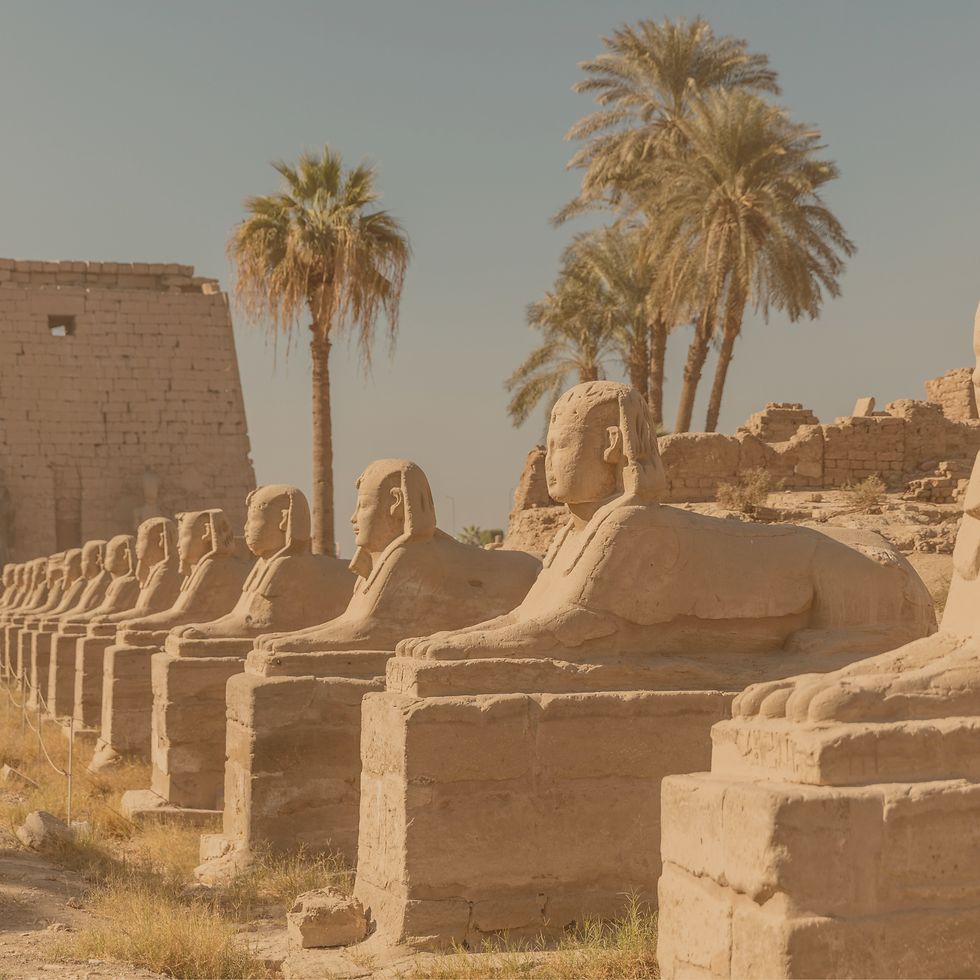
Luxor is where Egypt’s history begins to feel intensely personal. The sheer scale of Karnak Temple—columns stretching far above your head—tells a story of African engineering and imagination that is difficult to put into words.
Walking through the Valley of the Kings can also be grounding; the artistry inside the tombs is a direct reminder of how advanced African civilizations truly were. And the Colossi of Memnon—massive statues that have stood through thousands of sunrises—make time feel almost irrelevant.
A View from the Sky
One of my strongest memories from Egypt is the hot air balloon ride at sunrise. Floating over farmland, villages, and the outlines of temples, I understood why so many Black women describe Egypt as a place where something “clicks”—a connection to heritage that is intellectual, emotional, and spiritual at the same time.

Aswan: Cultural Warmth and Southern Heritage
Aswan has a calm that stays with you. The southern light feels different, softer. The Nubian culture here is vibrant—brightly painted homes, open-hearted hospitality, and a rhythm that encourages you to slow down.
Highlights include:
Visiting Philae Temple, dedicated to Isis, a figure whose influence extends throughout African tradition.
Spending time in Nubian villages, where artists and families share stories that illuminate life along this stretch of the Nile.
Taking a felucca ride as the sun sets behind granite islands.
This part of Egypt offers a more intimate look at community life—some of my most memorable conversations happened here, often over tea or while browsing handmade crafts.
The Nile: A Cultural Lifeline
Seeing Egypt from the water is different from seeing it from the road. Along the Nile, history feels closer and daily life feels more interconnected. You watch farmers tending fields, families gathering at the water’s edge, and small temples appearing unexpectedly along the bank.
Traveling the Nile offers a chance to slow down and absorb Egypt’s history in a steady, continuous way.
Hurghada & the Red Sea: Rest, Reflection, and Turquoise Calm
After days filled with temples, tombs, and historic sites, the Red Sea is a welcome exhale. Hurghada’s beaches are warm and bright, with calm waters perfect for floating, snorkeling, or simply resting in the sun.
The seafood is among the freshest in Egypt—grilled snapper, shrimp, and local specialties served with simple spices that let the flavors shine. Hurghada offers the pause travelers often need at the end of a deeply educational and emotionally resonant trip.

Why Egypt Matters for Black Women Travelers
Egypt provides a rare opportunity to see African history displayed on a monumental scale. For many Black women, the experience is grounding—standing inside temples built by African rulers, hearing stories that predate colonization, and witnessing artistry that still shapes global culture.
It is meaningful to walk through a place where our heritage is not questioned or debated—it is carved into stone. It is visible in architecture, language, spirituality, and community traditions. Egypt gives travelers a fuller, more complex understanding of African identity, reminding us that our history is not only resilient but brilliant. Learn more about Pack Light Global's 2026 Trip to Egypt


The destination spotlight on Egypt 2026 offers a comprehensive overview of the country's appeal for tourism, investment, and business. I appreciate the positive outlook and detailed insights. An international management course & workshop for managers in Cairo, Egypt could help professionals navigate global markets, build cross-border partnerships, and capitalize on Egypt's growing international profile.
Thanks for sharing this info! Egypt in 2026 is emerging as one of the most compelling destinations for international business, tourism, and investment — a country balancing ancient heritage with ambitious modernization across infrastructure, energy, and financial services in ways that are reshaping its global positioning at remarkable speed. For executives navigating that dynamic international landscape, the international management seminar & course for executives in Cairo, Egypt offers the cross-cultural leadership frameworks and global strategic thinking needed to engage with Egypt's evolving market with genuine confidence, cultural intelligence, and professional depth.
Arranging Nusa Tenggara Timur travel programs supports practical trip preparation. Routes remain organized clearly. Planning follows defined workflow.